How to pick the right method for your roof, siding, driveway, and deck without damaging anything.
Soft washing uses low water pressure (under 500 PSI) with cleaning chemicals to remove dirt, algae, mold, and mildew. Pressure washing uses high water pressure (1,500-4,000 PSI) to blast away grime with force alone. The difference: soft washing lets chemicals do the work, pressure washing relies on brute force.
Most homeowners use these terms interchangeably, but they're different methods for different surfaces. Pick the wrong one and you'll either damage something or waste your money on results that don't last.
Soft wash anything that high pressure would damage: roofs, vinyl siding, stucco, wood, and painted surfaces. It's also better for organic stuff like algae, mold, mildew, or lichen because the cleaning solution kills the growth at the root instead of just blasting the surface layer off.
Surfaces you should soft wash:
Pressure wash hard surfaces: concrete driveways, sidewalks, patios, and brick or stone that can take the abuse. These materials are dense enough that high water pressure strips out embedded dirt without damage.
Surfaces suited for pressure washing:
Even on concrete, pros usually pretreat with cleaning solution first. This lets you use lower pressure and get better results. The chemical kills the grime; the pressure rinses it away.
Yes. Pressure washing causes real damage when used wrong or on the wrong surfaces. We've seen etched concrete, splintered wood, stripped paint, damaged shingles, and water forced behind siding into wall cavities.
Here's what goes wrong, surface by surface:
Soft washing lasts 1-3 years because the cleaning solution kills growth at the root. Pressure washing lasts 6-12 months because it only scrapes off the surface layer.
Think about what's causing the stains. Black streaks on roofs, green algae on siding, mold on decks: these are living organisms. Pressure washing removes what you can see, but spores stay in the pores of the material. Those spores grow back fast because you just cleared out their competition.
Soft wash chemicals penetrate the surface and kill everything. It takes longer for new spores to move in because the old growth is actually dead, not just relocated.
Soft Washing
Pressure Washing
Around Charlotte, soft washing runs $200-$600 for a house and $400-$1,000 for a roof. Pressure washing is $150-$400 for driveways and $100-$300 for patios and sidewalks.
Soft washing costs a bit more upfront because of the chemicals and specialized equipment. But you may spend less over time since results last longer and you're not paying for annual cleanings.
Yes, soft washing is the safest and manufacturer-recommended method for cleaning roofs. It uses water pressure under 500 PSI (typically 60-100 PSI) combined with specialized cleaning solutions to kill algae, mold, and mildew at the root. Pressure washing roofs can strip away protective granules from asphalt shingles and void your warranty.
Soft washing typically uses a solution of sodium hypochlorite (bleach) at 1-3% concentration, mixed with surfactants that help the solution cling to surfaces. Some contractors also use sodium hydroxide for heavy grease or sodium percarbonate for gentler applications. All solutions are biodegradable and break down quickly after application.
Most homes in humid climates like Charlotte benefit from washing every 1-2 years. Shaded properties with heavy tree coverage may need annual cleaning due to faster algae and mildew growth. Homes in sunny, dry locations can go 2-3 years between cleanings. Your house needs washing when you see green or black staining, cobwebs accumulating, or the siding looks dull.
Yes, soft washing is safe and effective for brick surfaces. The low pressure won't damage mortar joints like high-pressure washing can. Soft washing is particularly effective for removing algae, mildew, and efflorescence (white mineral deposits) from brick. For old or historic brick with deteriorating mortar, soft washing is the only recommended cleaning method.
Pressure washing is generally safe for concrete when done correctly, but it can cause damage if misused. Using too much pressure (above 3,000 PSI) or holding the wand too close can etch lines into the surface or pit the concrete. For best results, concrete should be pretreated with a cleaning solution before pressure washing, which allows you to use lower pressure and achieve better results.
Yes, cleaning your exterior before painting is essential for paint adhesion. However, soft washing is often the better choice because it kills mold and mildew that can grow under new paint. Pressure washing can force water behind siding if done incorrectly. Whatever method you use, the surface must be completely dry (typically 24-48 hours) before painting.
We do both methods in Charlotte and Lake Norman
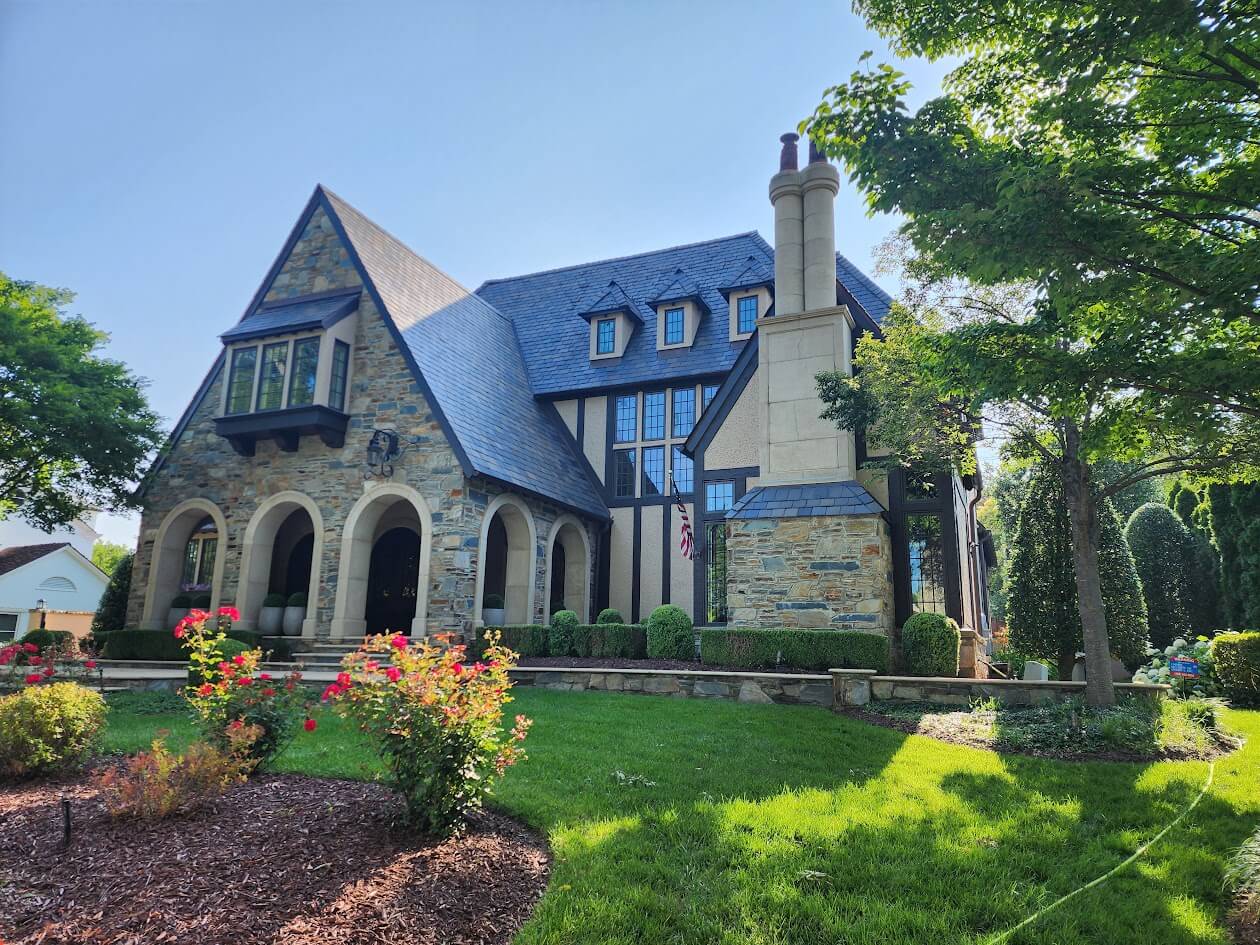
Safe soft wash removal of black streaks, algae, and moss. Results last years.
Learn More About Roof Cleaning Services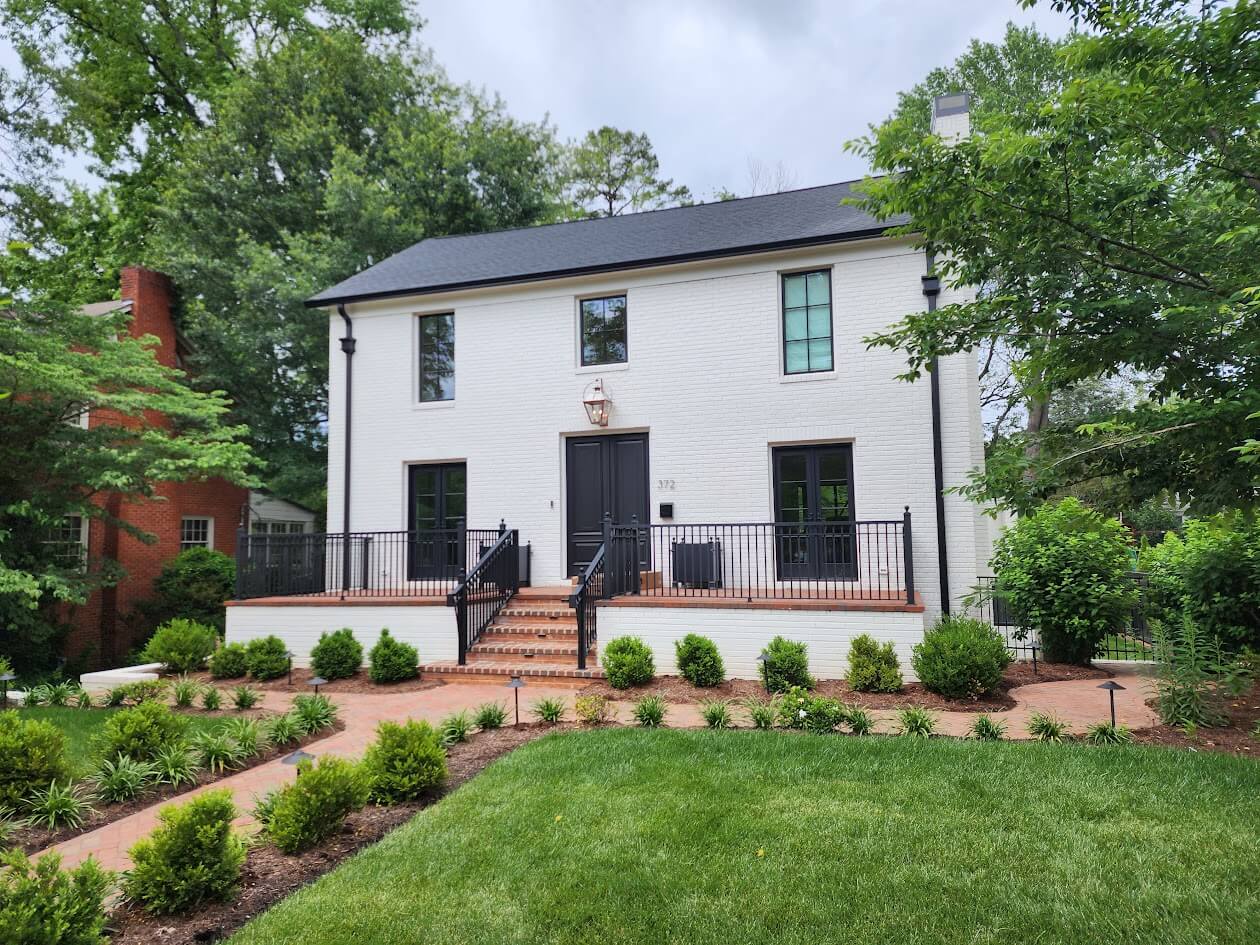
Soft wash cleaning for vinyl, brick, stucco, and all siding types.
Learn More About House Washing Services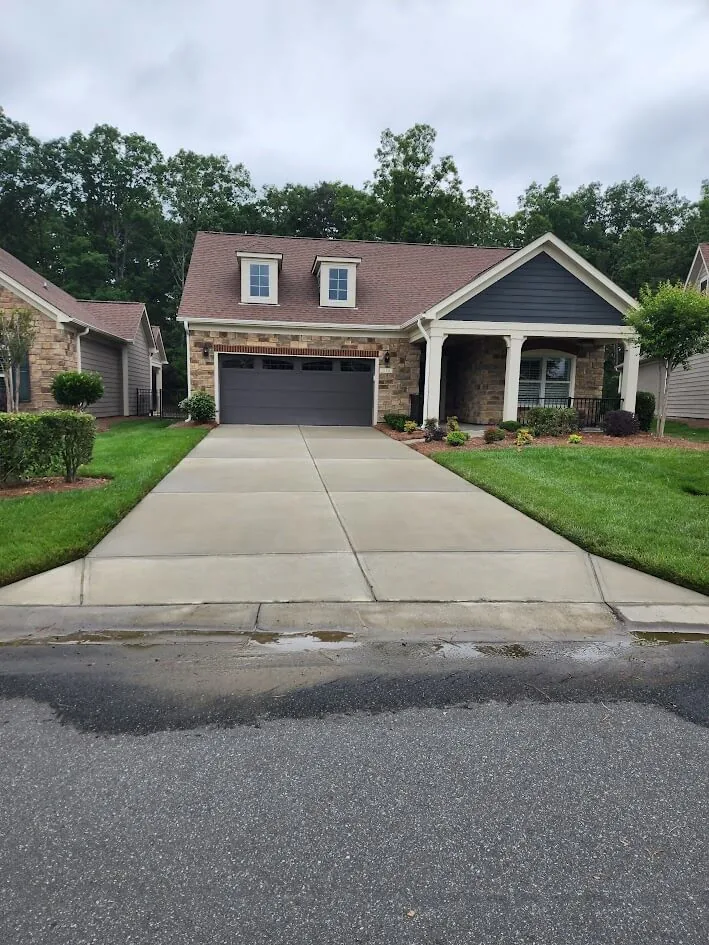
Pressure washing with pretreatment for concrete and pavers.
Learn More About Driveway Cleaning ServicesWe'll recommend the right cleaning method for your property
Prefer to talk? Call 704-266-0795